

AI content is flooding both digital and physical spaces—so much so that we started to assume the content we see is no longer created by humans but by AI. At such a pivotal moment, it is more important than ever for creators to be transparent about their creative process and regain their audience's trust.
The good news is, this doesn't necessarily have to be a hassle. Creators spend enough time and energy on their work. Having to add another layer of work just to prove that they didn't do the things they didn't do can be discouraging. Below are some ways you can document your creative process—and yes, video recording yourself working is one of them but there are simpler ways, too.
The Current Solution: Documenting Your Creative Process
Every piece of content and creative work has a story. Documenting your process not only helps tell that story and build a deeper connection with your audience but also distinguishes you from other creators who simply press a button to generate their content using AI.
Furthermore, while there is no shortage of AI detector tools on the market, none of them can guarantee 100% accuracy in detecting AI-generated content. It is on creators to provide evidence that their work was created by the humans behind it.
What Should You Document?
Different content types and creative disciplines require different kinds of proof and supporting evidence to showcase your "behind-the-scenes" human stories. These can include the following assets:
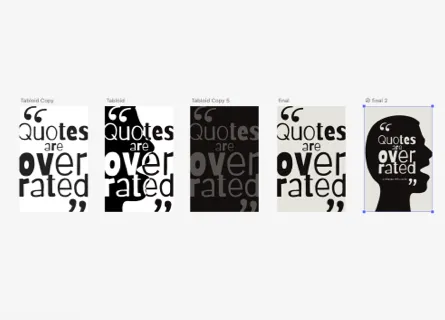
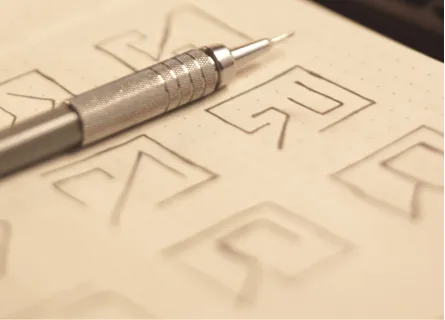
- Drafts, sketches, and concepts
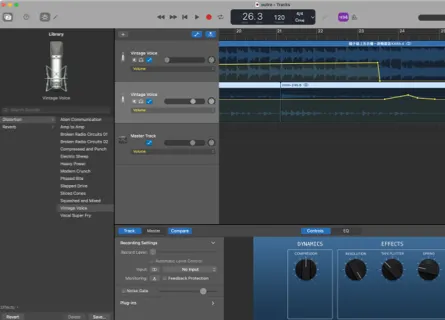
- Revisions and version history
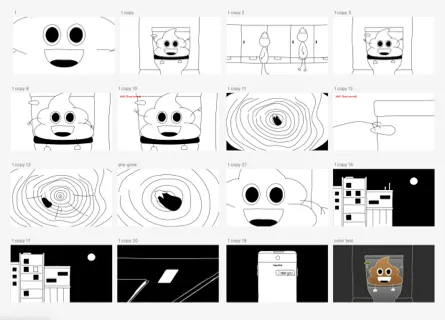
- Mood boards, storyboards, inspirations, and research
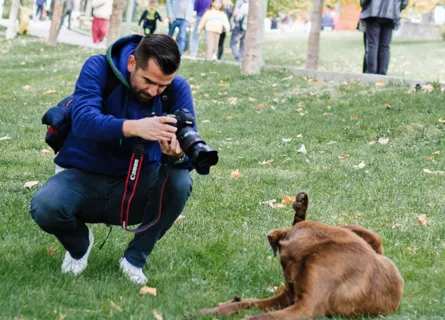
- Photos or recordings of your creative process
- Source files
- Demos, alpha, beta versions
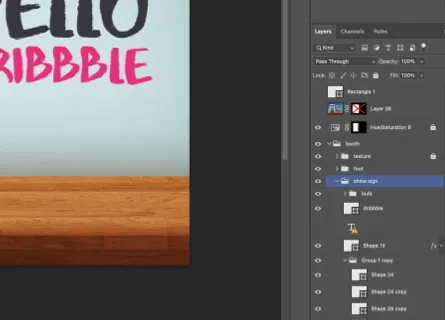
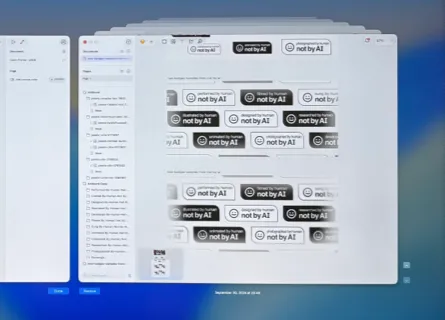
Proof examples
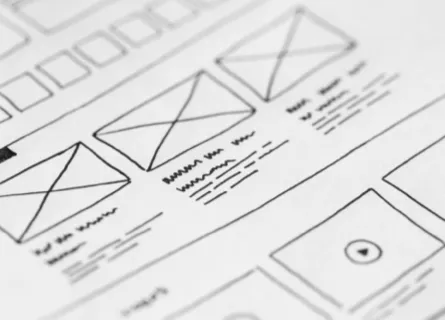
Where to Showcase the Proof?
Place your proof and supporting materials where your audience can see them. There are many ways to achieve this: create a webpage to showcase your evidence, upload it to cloud storage and share a link with your audience, or use a service like Not By AI to upload your proof to a centralized network designed for this purpose.
Things to Keep in Mind While You Work
The best approach is usually the one that fits into the way you work. Here are some tips to make sure that once you wrap up your work, you also have supporting evidence ready to share:
Save meaningful versions
Digital or physical, keep track of your drafts and iterations by developing a habit of taking pictures or screenshots, or creating different versions of your work in your software when possible. The thinking process and evolution of a project are irreplaceable aspects of human creativity.
Keep the layers in your source files
When working with digital design tools, preserve the layers rather than rasterizing them to allow the audience to see how the final work was built. The layers help construct your process.
Keep the original files
Files often come with metadata that can capture details about your project, including the date, author, and more. uring the creative process, older files are often discarded to save space but keeping them can help paint a better picture of the process. For example, it is advisable for photographers to keep their raw photo files or camera rolls.
Capture important creative decisions
While more effort is required, photographing and recording the creative process are often the best ways to show that your work was created by you or your team. It can be a time-lapse video or screen recording of the whole process, or photos and recordings of some of the key moments.
Write down your thinking and mistakes
AI does not have a thought process but human creators do. Writing down and sharing the journey and challenges you've faced behind your work not only delivers an emotional story but also further enhances the authenticity of your content.
Final Thoughts
Your audience may know you, love you, and be loyal to you but we can no longer safely assume that they understand how you create your content. Documenting your creative process should now be baked into your workflow if you want to demonstrate that your content or work was not generated by AI.
Don't aim to document everything perfectly and end up getting distracted by the practice but the enough key moments along the way to show that there was a real human with a story and a journey behind your content.
Lastly, don't forget to take a moment to be proud of your commitment to creating authentic content and let everyone know about it!